Last month I had the opportunity to attend an event hosted by Omnistrate at the Amazon office on Market Street in San Francisco.
I really wish a company like Omnistrate had existed when I was at OpenNMS. Omnistrate provides “Control Plane as a Service”, which enables companies to quickly offer their software as a service without having to build all of the supporting architecture.
TL;DR; This event focused on the issues facing commercial open source companies brought about by Generative AI. The talks were live streamed and I will put in time stamps for each presentation below.
Having spent two and a half decades thinking of the best ways to make money with open source software, my conclusion is that, if your product lends itself to a hosted solution, providing that to your customers is the best way to build a scalable business without sacrificing open source ideals.
In my dream scenario, users will have the option to either host your project on their own resources, or they can pay you to host it for them. There should be some way to exit the hosted solution and return to a self-hosted option without any loss of functionality. While that isn’t how most providers work (the cloud offerings I know about often contain features that aren’t in the self-hosted version), I did say this was a dream scenario. (grin)
When it comes to open source, people will pay for three things: simplicity, security and stability. The best way to provide that is via software as a service.
The problem is that creating all of that backend stuff: provisioning, billing, resource management, etc., is a company in and of itself, and that’s where Omnistrate comes into play. In a nutshell, they provide a way for you to host your product on the cloud provider of your choice (including AWS, GCP and Azure). You get a branded portal that your customers can use, as well as an admin portal for managing your deployments, and there is a large ecosystem of plug and play modules to add functionality to fit almost any business model.
It’s really cool.
Which brings me to this event. As everyone is aware, Generative AI is really changing the tech landscape. Time to market will be a huge factor in which companies will be successful and which will not. This event featured a variety of speakers talking about deploying Generative AI solutions, especially with respect to how Omnistrate improved the process.
Our master of ceremonies was Sathya Balakrishnan [8:22], who is a senior manager of solutions architecture at AWS.
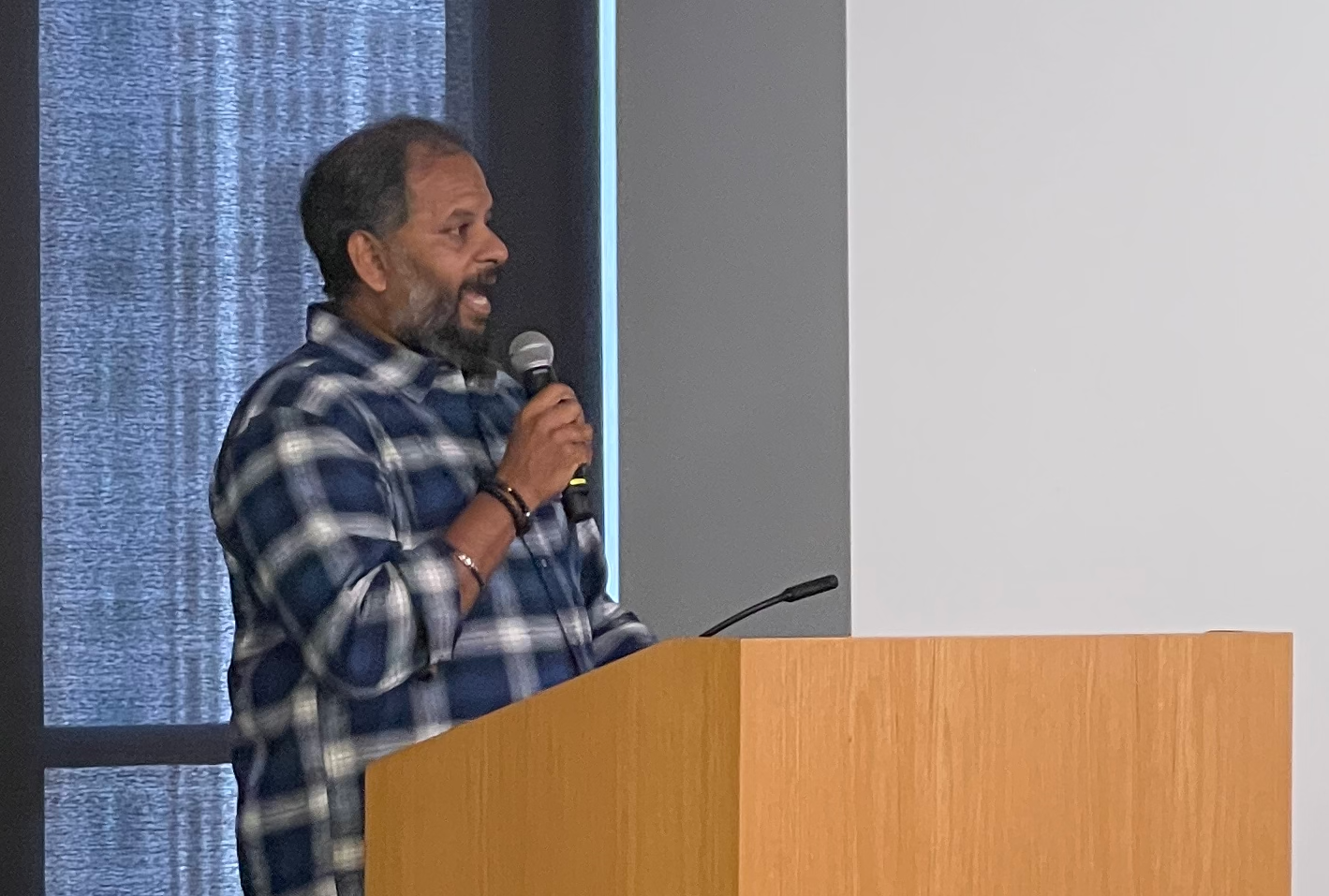
He did a great job of introducing each speaker and setting the stage for the program.
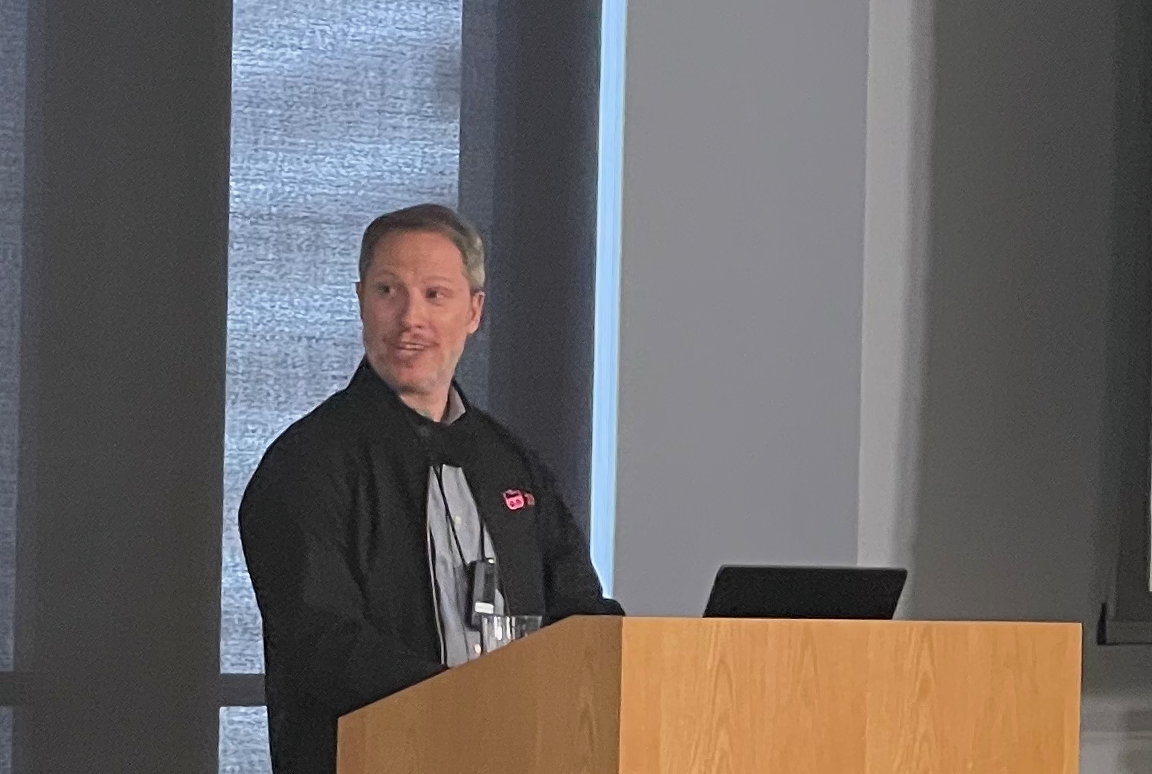
The first speaker was Daniel Chalef [10:25], CEO and Founder of Zep.
Zep is the company behind the open source Graphiti project, which is a framework for creating temporal context graphs. They use Omnistrate and this talk was focused on the special requirements necessary when dealing with Fortune 500 clients.
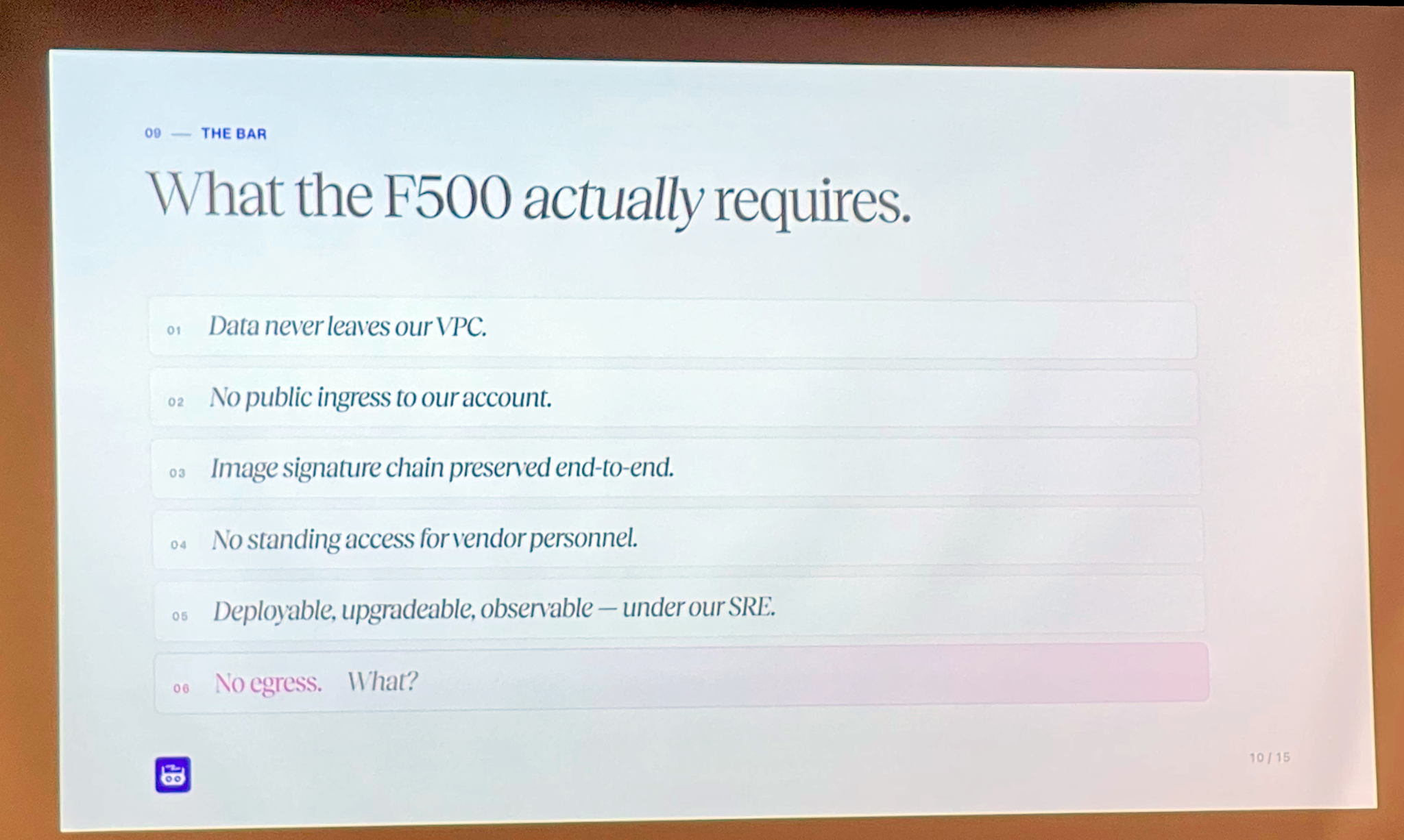
While many customers won’t have such strict needs, the fact that Omnistrate helped Zep meet them was a testimony to the power of their offering.
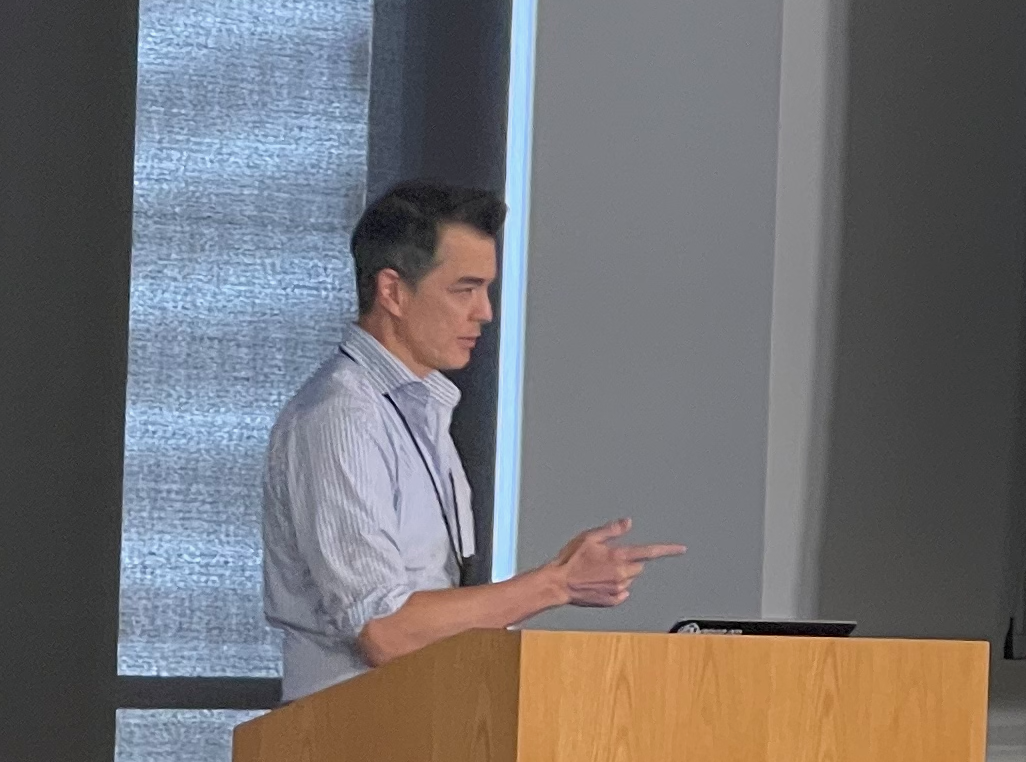
The following speaker was Joe McCunney [26:05], CEO of Scalar. He started out with a money quote:
One thing Omnistrate helped us out with is, as you know, if you want to go with hyperscalars, you need to spend a lot of development time, a lot of development resources, to get on, to maintain, and that takes away from core innovation and core development.
Scalar is the maintainer of two main open source projects: ScalarDB and ScalarDL.
ScalarDB is a Hybrid Transactional and Analytical Processing (HTAP) engine. In simpler terms, it integrates information from multiple databases without having to migrate those databases, providing common, secure, and scalable access.
ScalarDL is a system for detecting arbitrary faults, either accidental or malicious, using ScalarDB. It guarantees both the authenticity of data as well as lineage.
The third speaker gave my favorite talk of the afternoon, and it wasn’t focused on a particular open source project or Omnistrate, but instead talked about the impact of AI on open source.
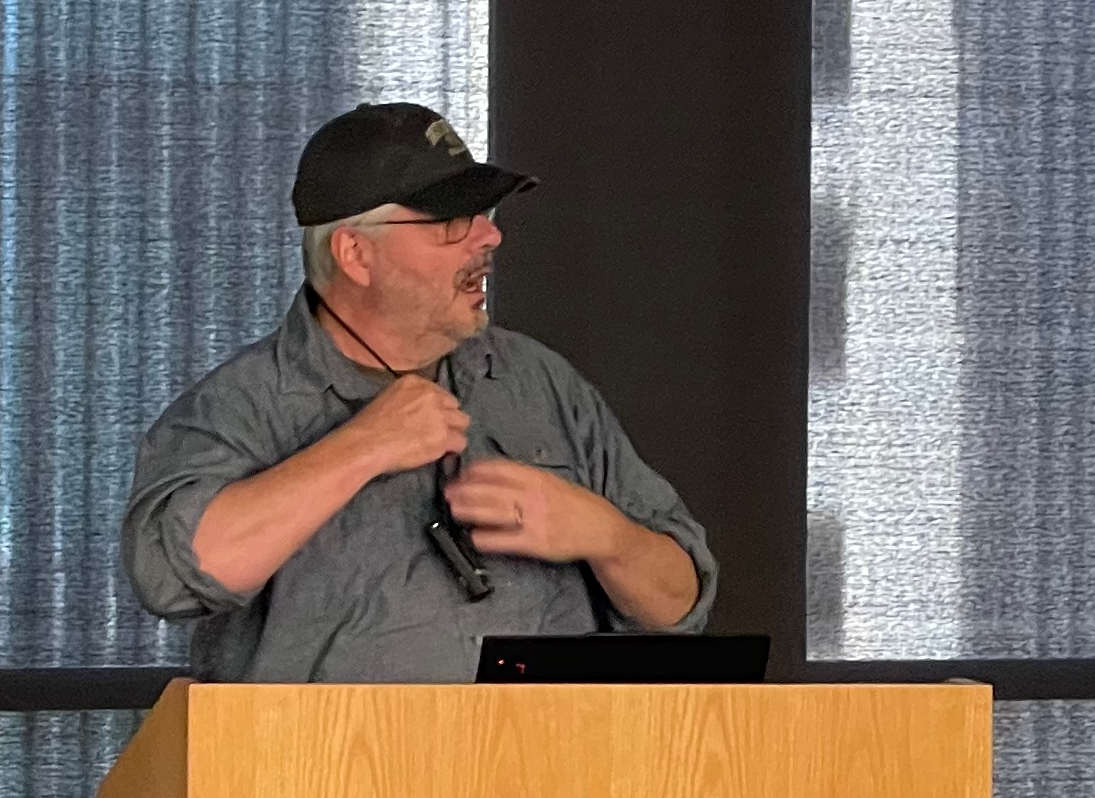
Joshua Drake [40:30] of Command Prompt is best known as being an early member of the PostgreSQL community. I felt I’d met a kindred spirit, not only because of his long tenure in open source but also because he lives off the grid in Montana (I live very much on the grid but on 181 acres [73 hectares] in a national forest in North Carolina, but would like to be off the grid).
His talk was also generated via prompting an AI model (Gemini). It was the first AI generated talk I’ve seen that didn’t immediately trigger my uncanny valley response.
He focused on how generative AI is simply a tool, albeit a tool with some key risk factors.
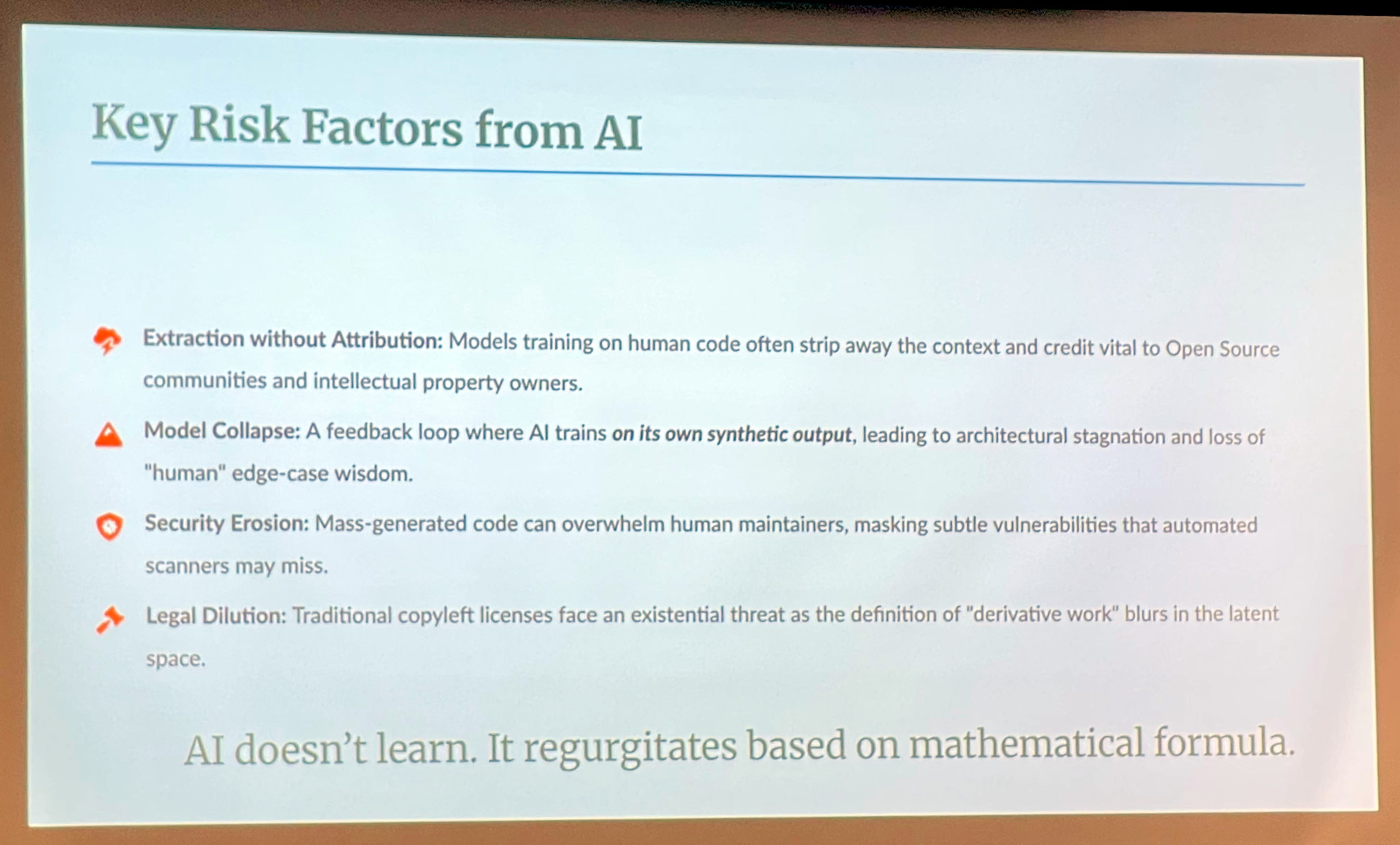
His money quote:
As a anti-regulation person, I see no way out of regulation for AI.
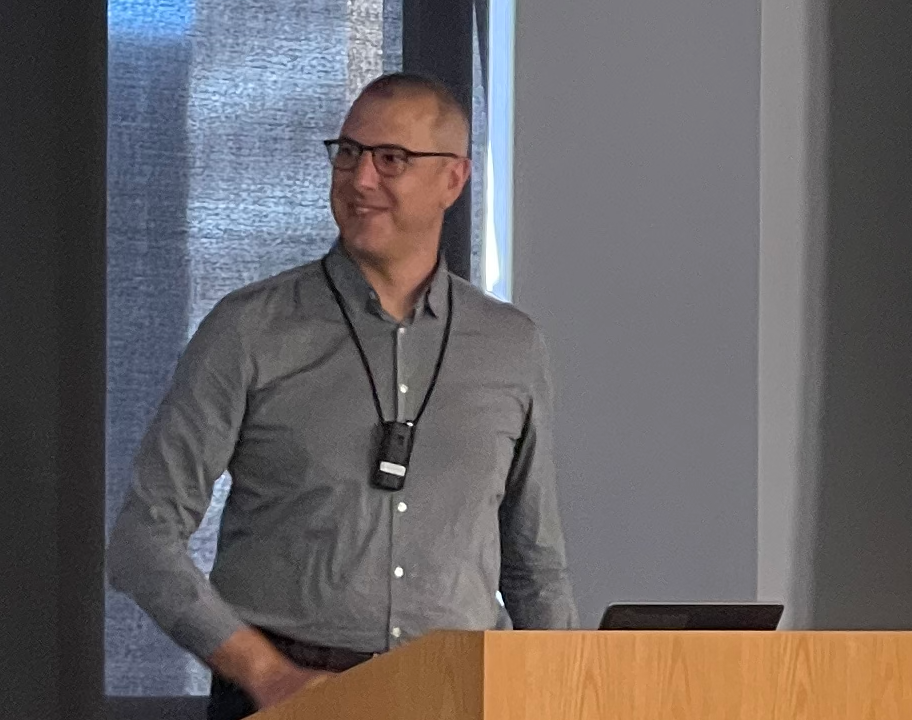
He was followed by Matteo Merli [1:03:00] of StreamNative who spoke on commercial open source in the age of AI.
StreamNative provides a product called Ursa that combines Apache Kafka and Apache Pulsar into a streaming backbone that feeds those streams into a lakehouse, such as Apache Iceberg.
He talked about the history of trying to commercialize Apache Pulsar from its beginnings at Yahoo in 2012, focusing on the challenges and successes on the way to founding StreamNative in 2019.
It was very interesting, and he touched on a lot of the challenges commercial open source companies face when trying to balance the needs of the community with the needs of the business.
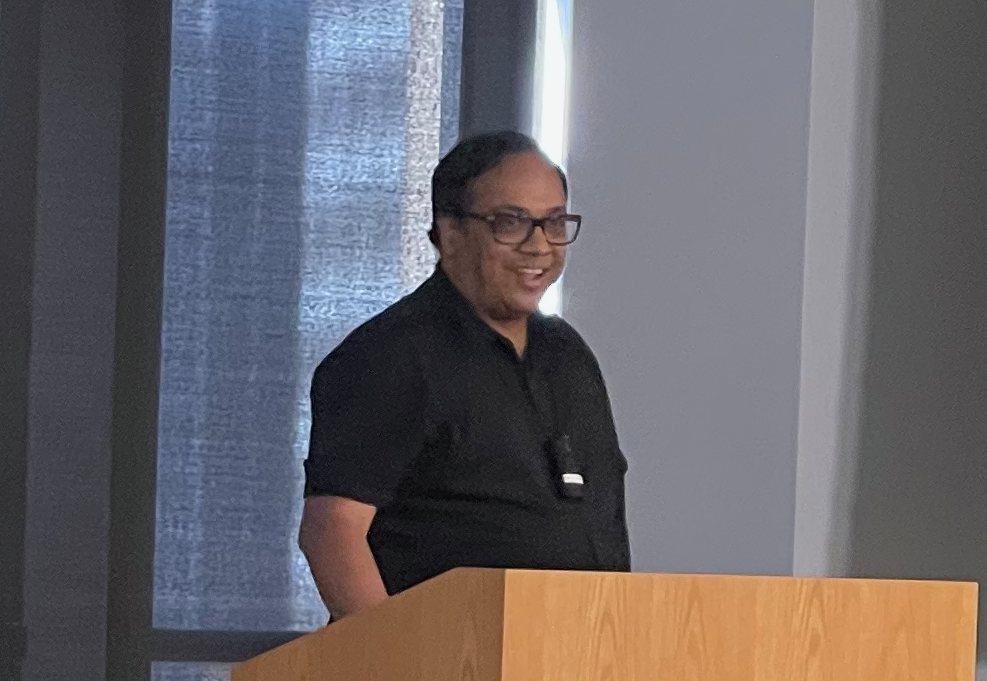
The penultimate presentation focused on the Omnistrate offering itself and was given by Kamal Gupta [1:18:32], with a product demo given by Alok Nikhil [1:45:55].
I really liked his discussion of Product Led Growth (PLG).
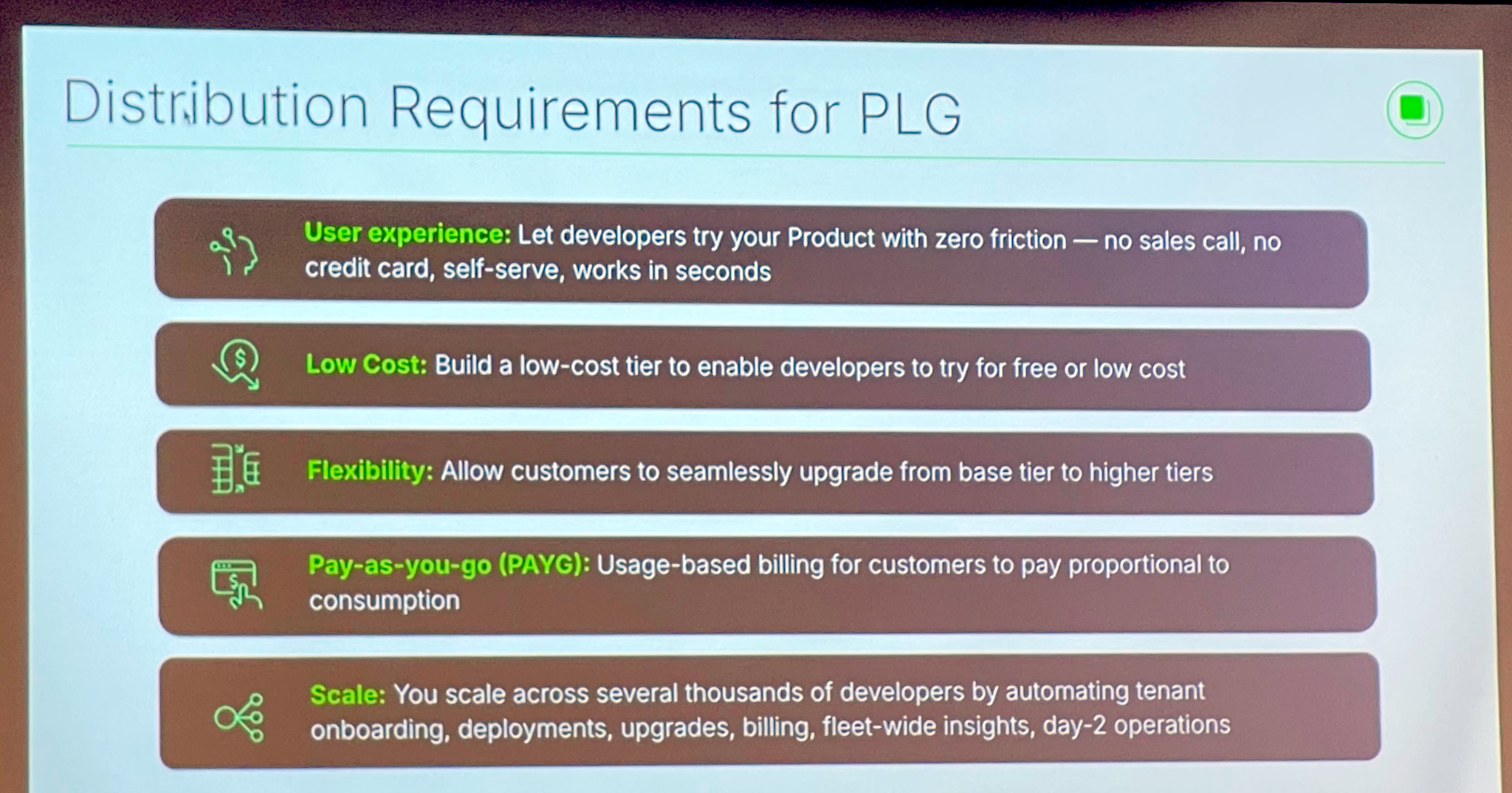
When I ran my open source business the sales cycle was long and not at all automated. This really impacted scalability. With Omnistrate you can automate a lot of the tasks like onboarding, deployments, upgrades, billing, etc.
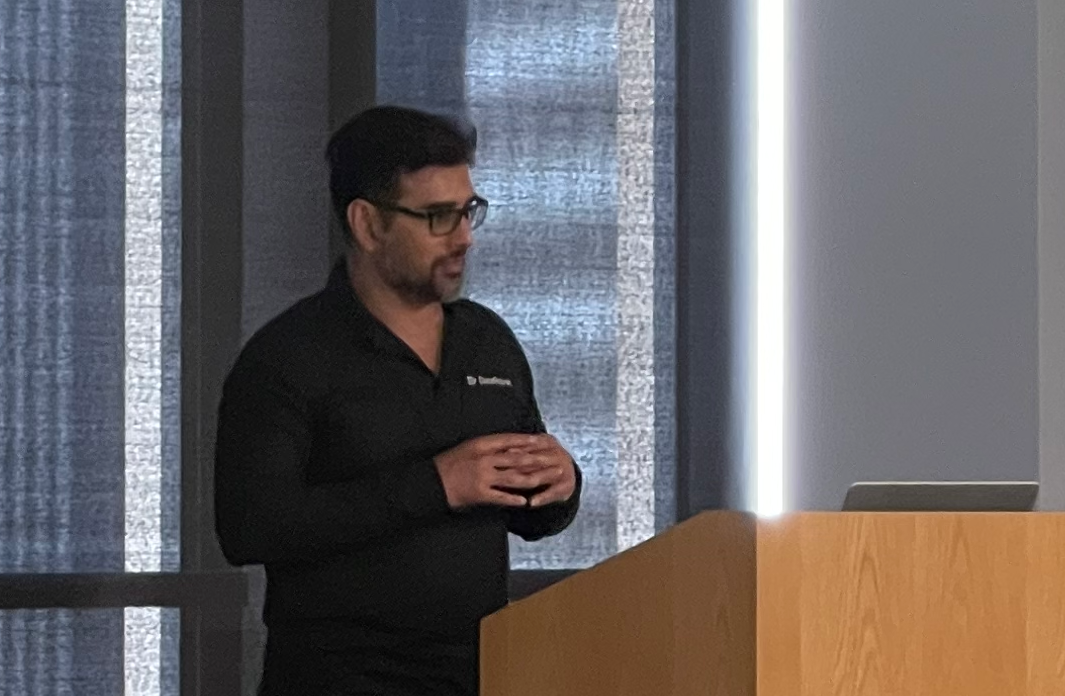
The final speaker was Romi Datta [1:53:40] from DataRobot. The goal of DataRobot is to implement an agentic workforce.
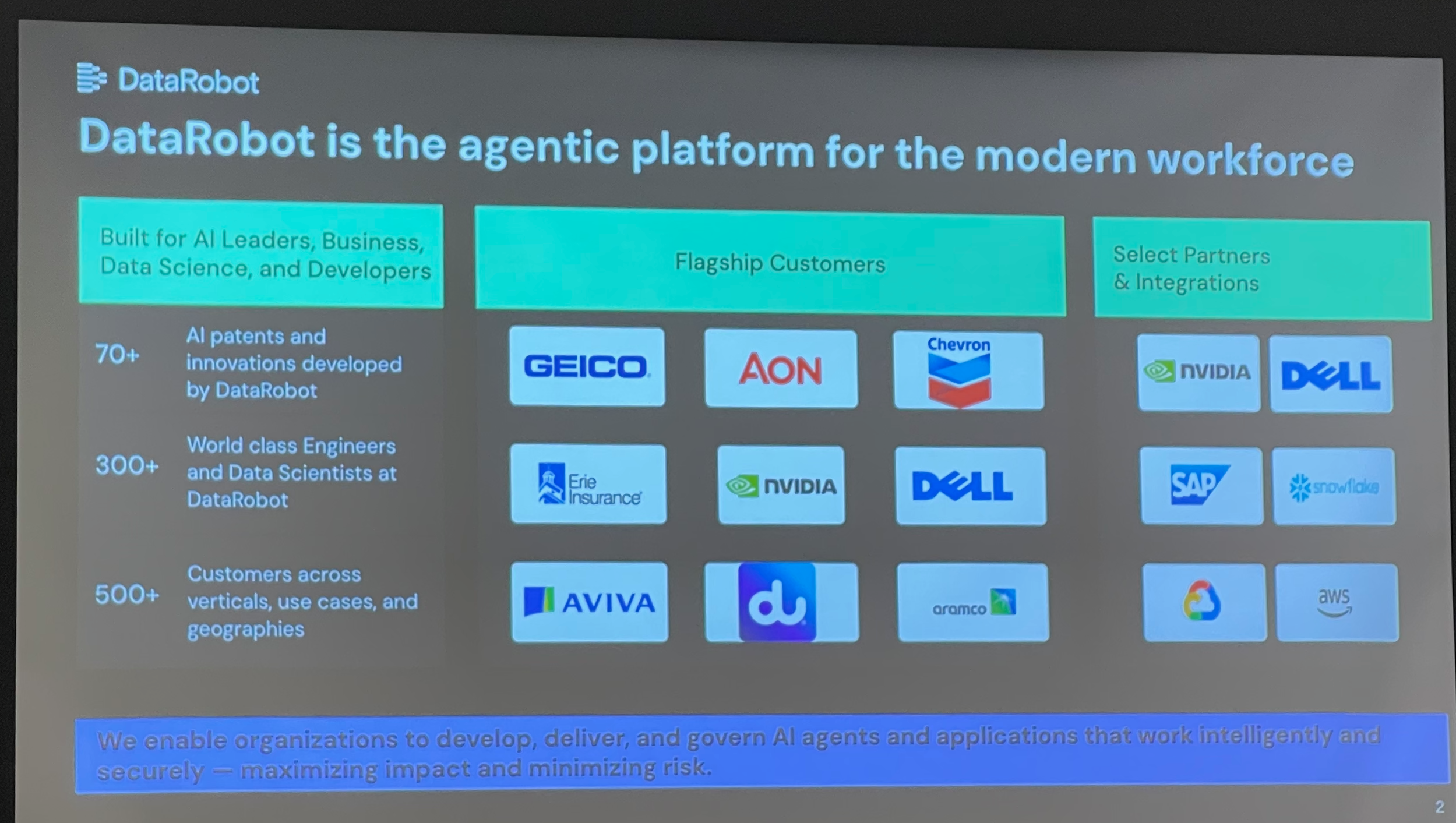
While I am skeptical about agents replacing humans, there was a really cool use case on how Chevron used agents coupled with robotics to identify and mitigate safety issues within its refineries [2:04:35].
After the talks we had time to socialize over drinks via a “happy hour” sponsored by Omnistrate.
It was a great way to spend the afternoon and really highlighted some of the challenges, and more importantly, the solutions to those challenges, for commercial open source companies in this time of generative AI. Many thanks to Kristine Newman for allowing me to be a part of it.